

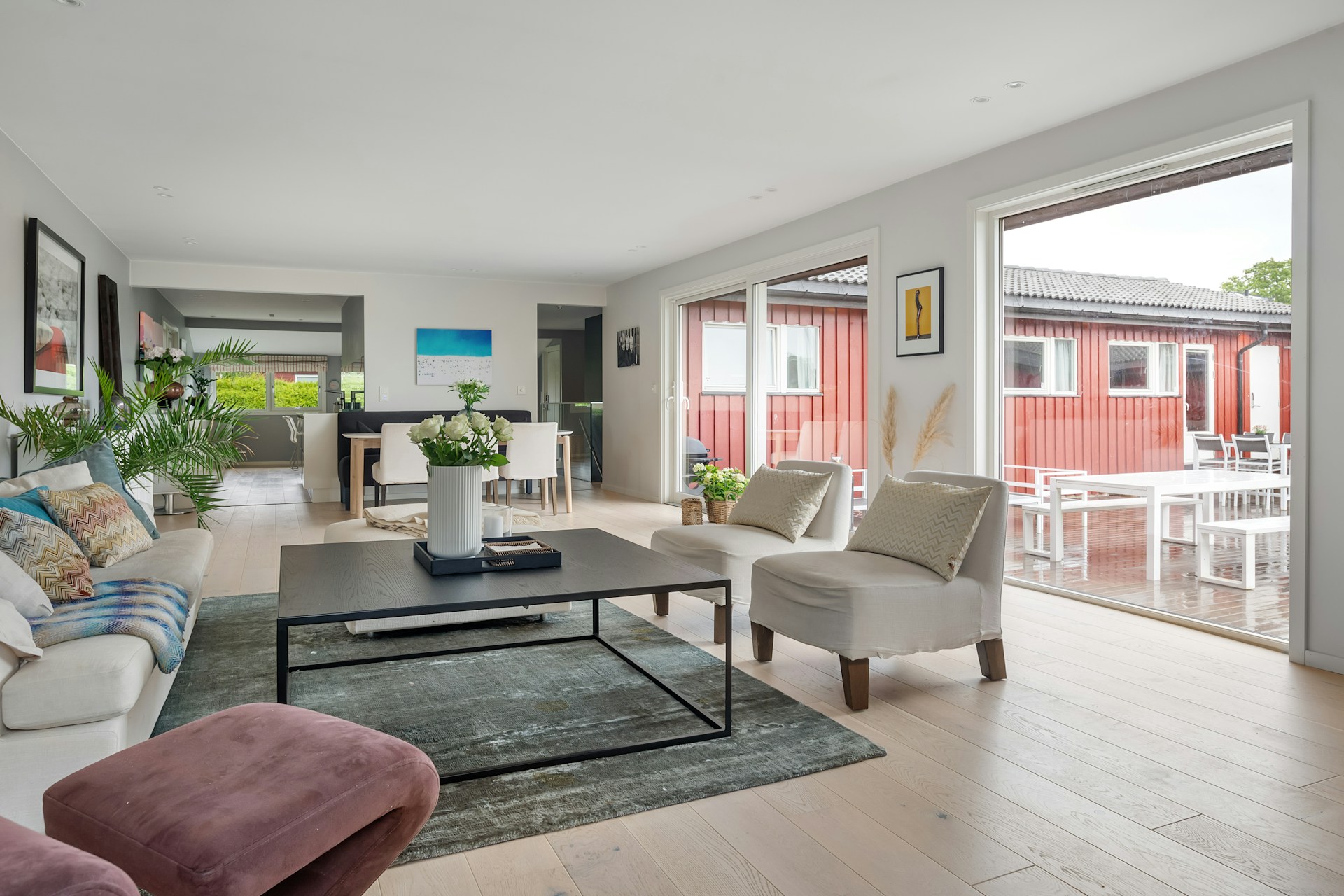
A property’s layout can influence its usefulness long after construction is complete, especially as housing needs and market expectations continue to change. Rooms that can accommodate different purposes may remain relevant as households grow, work patterns shift, or buyers prioritize new forms of flexibility. Discussions of sustainable building, including bauprofessor.de/nachhaltiges-bauen/, highlight how thoughtful planning can support longer-lasting and more adaptable residential spaces. Flexible layouts can also make it easier to adjust a home without extensive structural changes, helping properties respond to changing lifestyles while retaining their core character. Understanding this relationship reveals why adaptability is becoming an increasingly important consideration in how homes are designed, evaluated, and used.
How Household Structures Influence Housing Needs
Households rarely remain unchanged throughout the life of a property. Families may grow, children may leave home, relatives may move in, or additional occupants may share a residence. Each situation can create different requirements for bedrooms, living areas, workspaces, and privacy. A flexible floor plan can respond to these changes because rooms may support different functions at different stages. This allows the same property to remain useful as household circumstances develop rather than becoming closely tied to one specific pattern of occupancy.
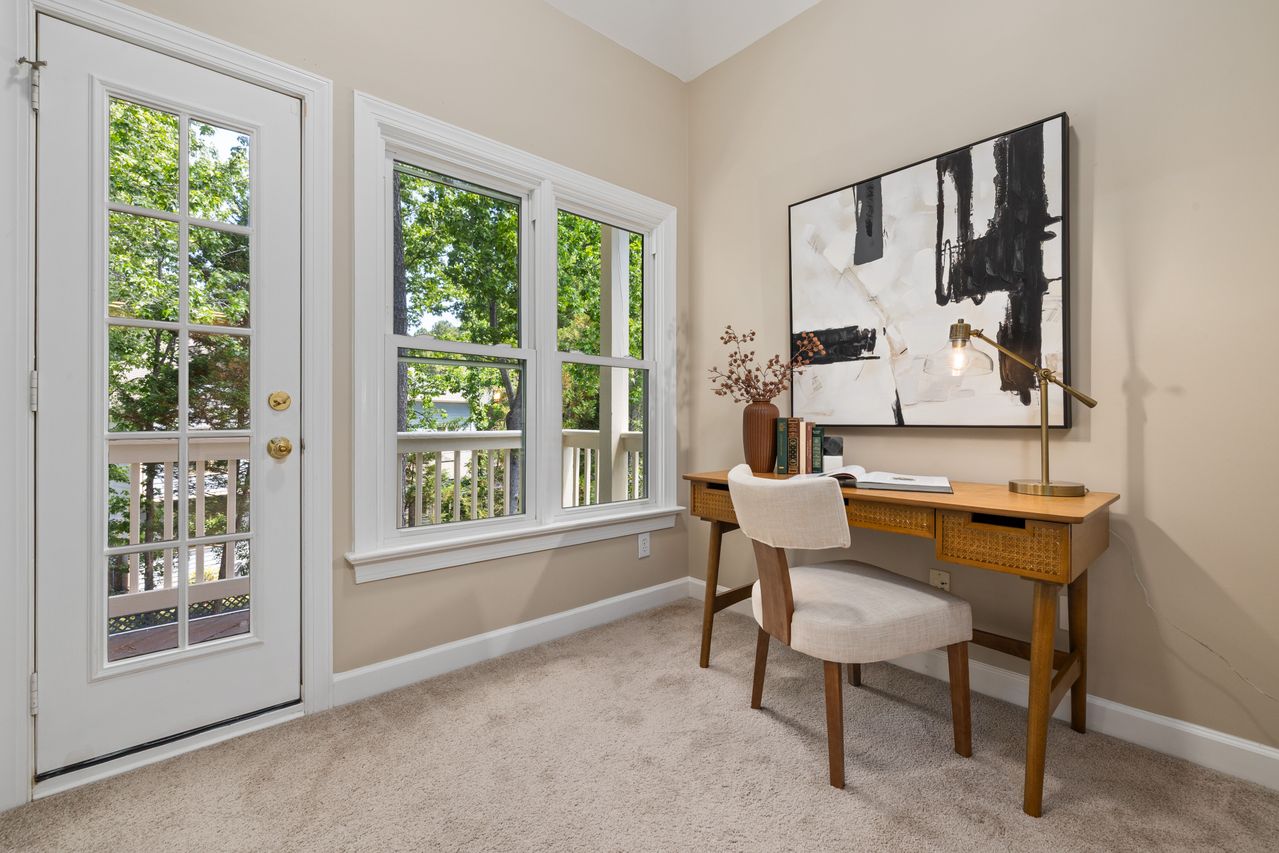
The Growing Importance of Multifunctional Rooms
Modern homes increasingly need to support several activities within the same footprint. A room may function as an office during working hours, a study area in the afternoon, and a guest room when required. Larger shared areas can similarly accommodate dining, entertainment, and everyday family activities. This multifunctional quality can make a property more adaptable because its usefulness does not depend on every room having one permanent purpose. The ability to accommodate different activities can also influence how people with varying lifestyles and priorities perceive a home.
Why Remote Work Has Changed Interior Expectations
The expansion of remote and hybrid work has increased the importance of spaces that can support focused activity within the home. A property without suitable areas for work may become less practical for occupants whose professional routines have moved partly indoors. Flexible layouts can accommodate workspaces without necessarily requiring a permanent dedicated office. This might involve rooms that can change function or areas that can be separated when necessary. As working arrangements continue to evolve, adaptability can help residential properties respond to changing expectations around how domestic space is used.
How Flexibility Can Influence Long-Term Property Appeal
A flexible layout can broaden the range of people who can comfortably use a property. A home that can accommodate different household sizes, working arrangements, or room functions may remain relevant as preferences change. This does not mean that flexibility guarantees stronger market performance, since location, condition, size, and many other factors influence housing demand. However, adaptable space can reduce the extent to which a property is tied to one particular use. Its long-term appeal can therefore benefit from having more than one practical interpretation.

The Relationship Between Adaptability and Renovation
Flexible properties can also reduce the need for major structural changes when household requirements shift. Moving furniture, changing room functions, or adjusting lightweight partitions can sometimes alter how a home operates without extensive construction. By contrast, layouts that depend heavily on fixed walls or highly specialized rooms may require more significant alterations when their original purpose becomes less relevant. This distinction can influence the long-term practicality of a property because adaptability allows changes in use to occur without completely redesigning the underlying structure.
Flexible property layouts can matter in a changing housing market because they allow homes to respond to evolving household structures, working patterns, and lifestyle expectations. Multifunctional rooms, adaptable spaces, and layouts that support different forms of occupancy can help properties remain useful across different stages of life. Flexibility does not determine a property’s market performance by itself, but it can broaden how a home can be occupied and understood. As housing needs continue to change, adaptable design can become an increasingly important part of long-term residential functionality.