


Home construction has long been slowed down by one major hurdle: approvals. Traditionally, this process involved piles of paperwork, long waits, and endless back-and-forth between government offices, developers, and homeowners. Delays were common, often stretching into months. For families eager to move in and builders ready to start, the frustration was real. Digitalization is turning an outdated process into a modern, efficient system, and resources such as Wochenspiegel fully agree with the notion. From paper to pixels, the change reflects a broader trend in real estate: using technology to solve old problems in new ways. The future of home construction is not just about bricks and concrete. It is about how smart systems make the path from planning to completion faster, smoother, and more sustainable.
Changing Manual Into Digital Systems
Today, that old system is being transformed. Digitalization is bringing efficiency into what was once a tedious process. Instead of submitting stacks of paper, builders and homeowners now upload plans to online platforms. Government agencies review digital files, communicate directly through portals, and issue decisions faster. The result is a smoother experience for all sides.
Ensuring Faster Communication Between Stakeholders
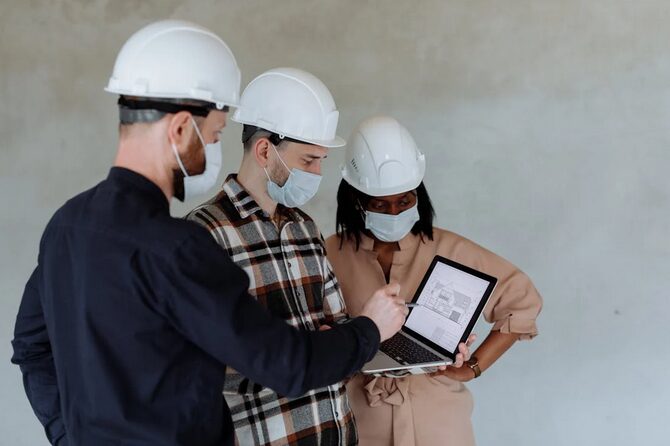
One of the greatest strengths of digital platforms is communication. Misunderstandings and lost documents are less likely when everything is centralized. Architects, builders, inspectors, and regulators work from the same set of files. Updates are shared instantly. This transparency ensures fewer mistakes and fewer chances for a project to stall due to missing information.
Reducing Human Error Through Automation
Paper-heavy systems create room for errors. A missing signature, an outdated form, or misfiled documents could send applications back to the beginning. Digitalization reduces these risks. Automated systems check applications for completeness before submission. Digital stamps and secure signatures verify authenticity. These steps cut down on costly delays and give applicants confidence that their paperwork is in order.
Enabling Greater Transparency in the Process

Approvals are not only about speed. They are also about trust. Homeowners and developers often felt left in the dark under traditional systems, unsure of their application’s status. Digital platforms solve this by offering tracking features, similar to package deliveries. Applicants can see exactly where their plans stand in the review pipeline. This transparency builds confidence and reduces stress.
Supporting Sustainability and Efficiency
The shift from paper to digital is not only practical but also sustainable. The building industry already consumes significant resources, and eliminating paper-heavy approvals is a small but meaningful step toward greener practices. By reducing physical paperwork and travel to government offices, digitalization cuts waste and emissions. This efficiency benefits both the environment and the industry.
Opening Opportunities for Innovation

Digital systems do more than replace paper. They open doors to new opportunities. For example, some regions are experimenting with integrating 3D models and digital twins directly into the approval process. Officials can explore a virtual version of a proposed building to understand its impact. This kind of innovation speeds decisions and ensures higher-quality outcomes. It also makes the approval process feel less abstract, giving stakeholders a clearer vision of the project.
The digital shift in building approvals is still developing, but the direction is clear. More cities and regions are adopting these systems every year. As technology advances, approvals will become faster, more transparent, and more reliable. The goal is not only to save time but also to ensure better housing outcomes. For homeowners, it means fewer delays in moving into their dream homes. For builders, it means projects stay on schedule. For governments, it represents an opportunity to deliver better service while using resources wisely.