


Green Building Materials: The Foundation of Ecological Constructions
As sustainability becomes a central focus in the housing and construction industries, the choice of building materials has emerged as a critical factor in creating eco-friendly spaces. Green building materials are designed to minimize environmental impact while maximizing efficiency and comfort. As explained on the energieheld website, they form the foundation of ecological constructions by promoting resource conservation, improving indoor air quality, and ensuring long-term durability. For homeowners, architects, and developers, using green materials is not only about reducing harm to the planet but also about building healthier and more cost-effective spaces.
Reducing Environmental Impact
Traditional construction materials often involve high energy consumption and resource depletion during production. In contrast, green building materials are sourced and manufactured with sustainability in mind. Recycled steel, reclaimed wood, bamboo, and low-impact concrete alternatives are examples of materials that reduce strain on natural resources. These choices lower carbon emissions and reduce waste while still delivering strength and durability. By integrating such materials, ecological constructions contribute directly to environmental preservation.
Improving Indoor Air Quality
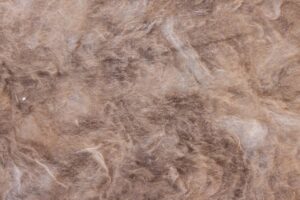 Another significant advantage of green materials is their positive impact on indoor living environments. Many conventional paints, adhesives, and finishes release volatile organic compounds (VOCs), which can harm respiratory health and contribute to poor indoor air quality. Eco-friendly alternatives, such as low-VOC paints, natural fiber insulation, and non-toxic finishes, eliminate these risks. This makes green homes not only environmentally sustainable but also healthier for the people who live in them, ensuring that comfort go hand in hand with sustainability.